

RE-MARK – Art and Culture Revitalizing Rural Farmers’ Markets and Communities
RE-MARK is a European cooperation project exploring how art and culture can revitalise rural farmers’ markets and strengthen local communities. Across four European territories, the project transforms traditional markets into Rural Creative Markets — vibrant spaces where local production, artistic creation and community life come together.
Through artistic residencies, participatory processes and cultural events, RE-MARK brings together artists, farmers, citizens and local institutions to imagine new futures for rural public spaces.
By combining culture, creativity and local economies, the project aims to foster social inclusion, strengthen community identity and support sustainable rural development across Europe.
PROJECT
RE-MARK at a glance
0
Countries
0
Rural markets
0
Partners
0
Months of activities
About RE-MARK
RE-MARK – Art and Culture Revitalizing Rural Farmers’ Markets and Communities is a European cooperation project that explores how artistic and cultural practices can contribute to the regeneration of rural territories.
Across Europe, many rural areas are facing profound transformations. Population decline, ageing communities and the gradual loss of services are weakening local economies and reducing opportunities for cultural participation. Farmers’ markets, once central spaces of community life, are also experiencing a decline in visibility and social engagement.
At the same time, rural territories hold significant potential. Their strong local identities, cultural traditions and community networks make them ideal environments for experimenting with new forms of cultural and social innovation.
RE-MARK builds on this potential by transforming traditional farmers’ markets into Rural Creative Markets — hybrid spaces where food, culture, creativity and community participation intersect. In these markets, economic exchange is combined with artistic production, storytelling and collective experiences.
The project unfolds across four pilot territories in Italy, Spain, Hungary and Bulgaria. In each location, artists will work together with local communities through participatory processes, artistic residencies and site-specific cultural interventions. These activities aim to reactivate local markets as spaces of encounter, creativity and shared identity.
Beyond the local interventions, RE-MARK promotes transnational collaboration between artists, institutions and rural communities. The project will culminate in a collective exhibition and a series of cultural events that connect the experiences of the four territories.
Through these actions, RE-MARK seeks to demonstrate how culture can play a strategic role in rural regeneration — supporting social inclusion, strengthening local economies and creating new opportunities for artists and communities across Europe.
The project territories
RE-MARK is implemented across four rural territories in Italy, Spain, Hungary and Bulgaria. These areas share common challenges, such as demographic decline, limited access to cultural opportunities and the progressive weakening of local economies. At the same time, they hold a rich cultural heritage, strong community ties and a deep connection to local production.
In each territory, the project engages local communities, artists, public authorities and producers in a shared process of cultural regeneration. Rural markets become the starting point for experimentation — spaces where economic, social and cultural dimensions intersect.
These territories act as living laboratories for rural cultural innovation, where art and community participation contribute to reimagining public spaces and strengthening local identities.
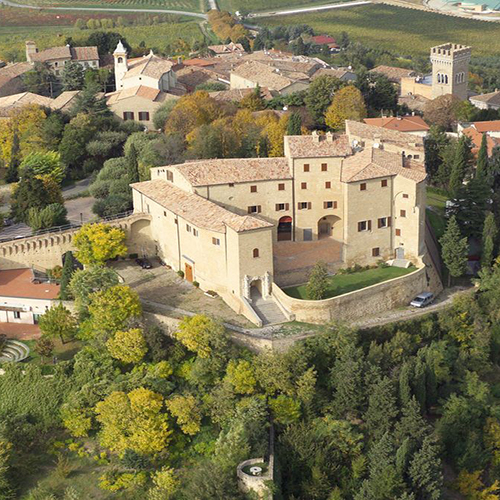
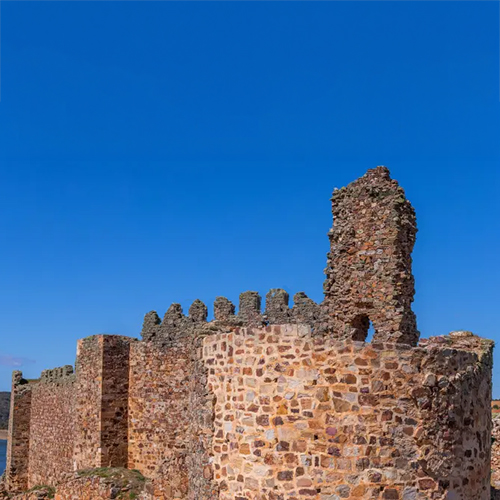
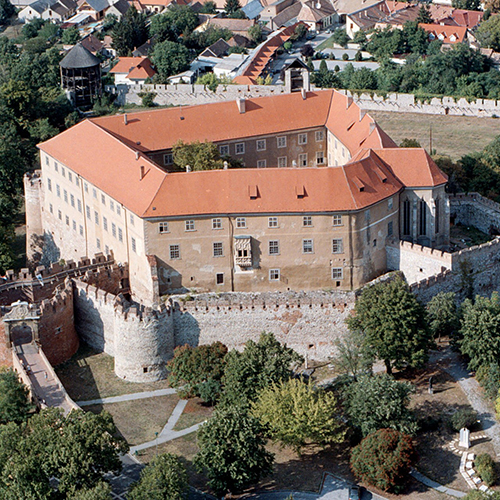
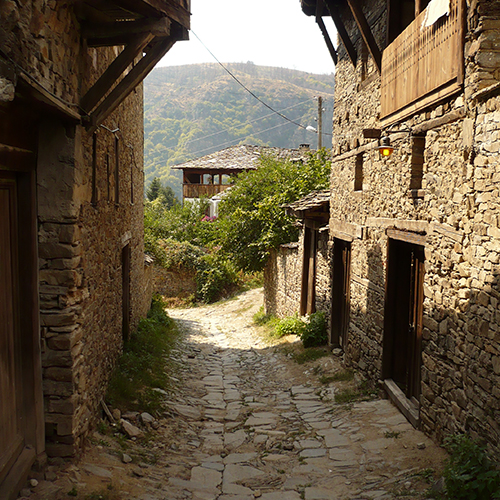
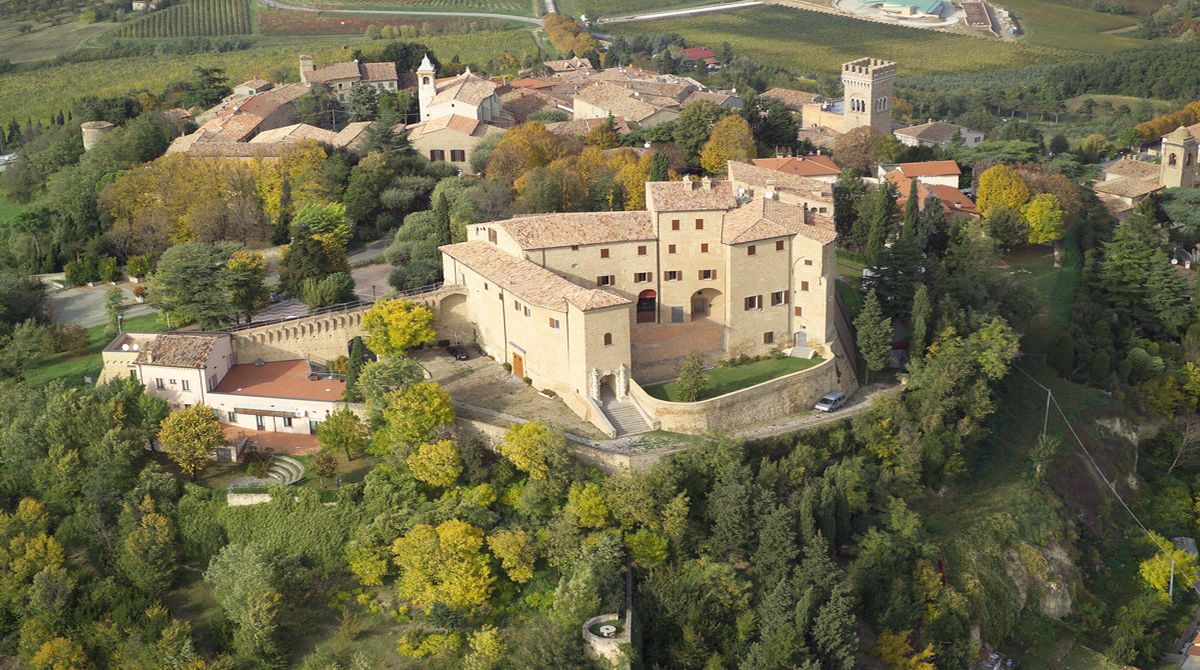
Bertinoro – Italy
Bertinoro is a small hilltop town in the Emilia-Romagna region, known for its strong tradition of hospitality, its wine production and its vibrant cultural identity.
Like many rural areas, Bertinoro is facing challenges related to ageing population, youth outmigration and a gradual decline in everyday life within public spaces, particularly in the historic centre.
RE-MARK focuses on local markets as key spaces for social interaction and cultural exchange. Through artistic residencies, community-based activities and cultural interventions, the project aims to revitalise the market as a place of encounter and to strengthen its role in the cultural life of the town.
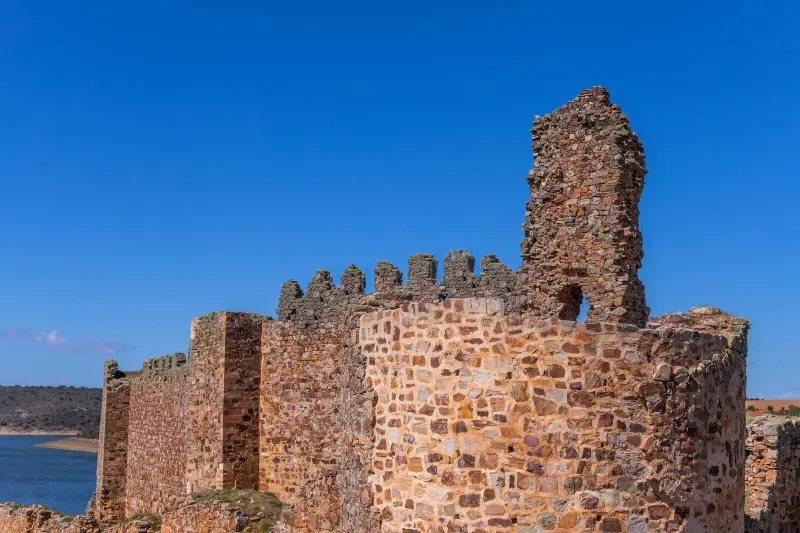
San Cebrián de Castro/Zamora – Spain
San Cebrián de Castro is located in the province of Zamora, one of the Spanish regions most affected by rural depopulation.
The area is characterised by a significant historical and landscape heritage, including the medieval site of Castrotorafe — an abandoned village that still plays an important role in the collective memory and identity of the territory.
RE-MARK will activate this symbolic place as a meeting point for community, art and rural markets. Through participatory processes and site-specific artistic interventions, the project seeks to reconnect people with their local heritage and to reimagine the role of markets within the territory.
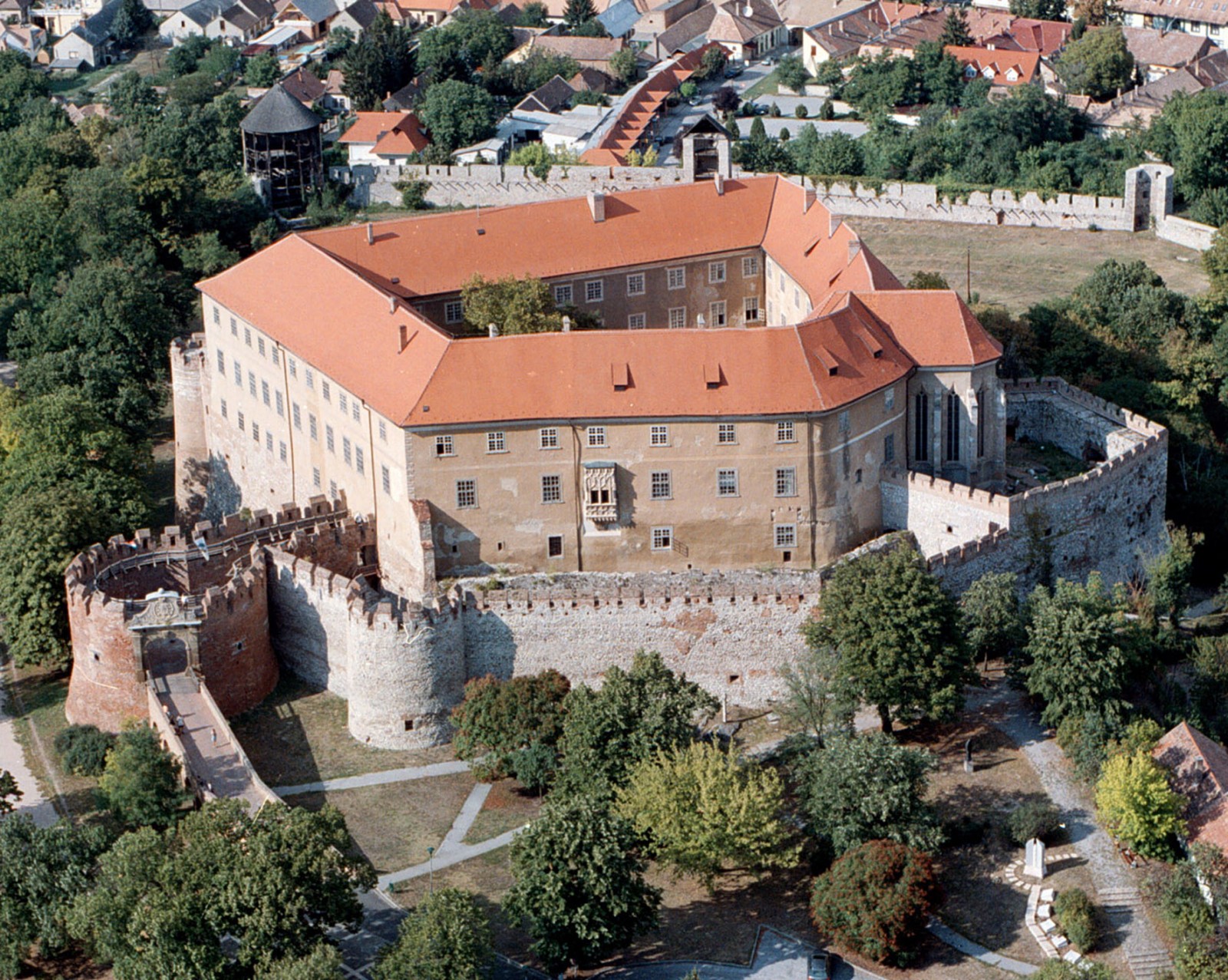
Siklós – Hungary
Siklós is a small town in southern Hungary, located in a region marked by cultural diversity and social complexity. The area is home to Roma communities that often face barriers to cultural participation and social inclusion.
Within this context, RE-MARK uses the local market as a shared space where different communities can meet and interact. Through participatory artistic practices, residencies and workshops, the project promotes dialogue, inclusion and mutual understanding.
The market becomes a platform for expression, collaboration and visibility for the diverse cultural identities present in the area.
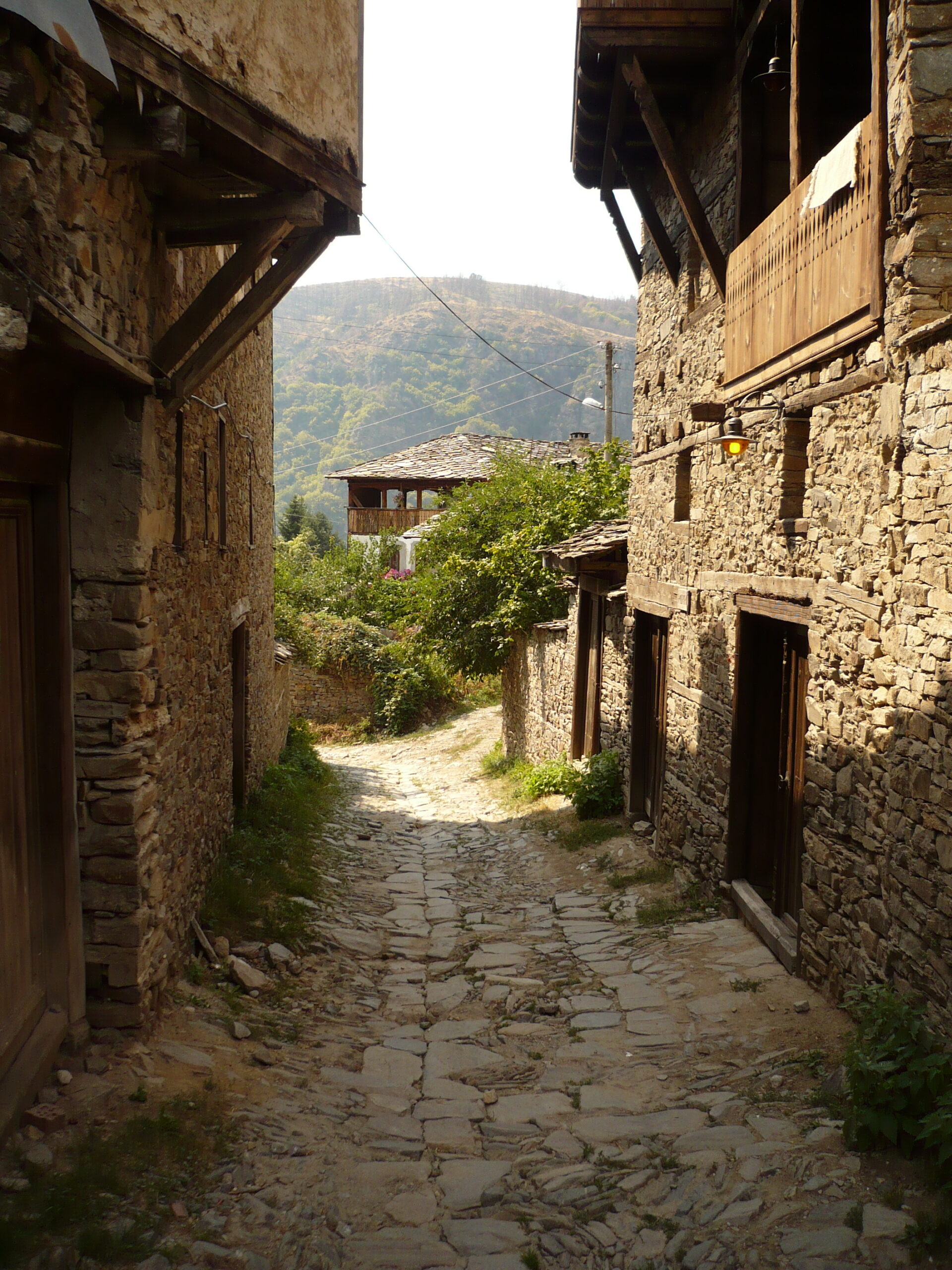
Lazhnitsa – Bulgaria
Lazhnitsa is a rural village in the Blagoevgrad region, in south-western Bulgaria. The local community belongs to the Pomak minority and preserves a rich cultural heritage, including traditions related to crafts, food and social practices.
Despite this cultural wealth, the area faces challenges such as youth outmigration and limited visibility of local cultural expressions.
Through RE-MARK, markets and public spaces become places for artistic experimentation and storytelling. The project will work closely with women, young people and local cultural actors to highlight local knowledge and traditions, strengthening community identity and cultural participation.
RE-MARK activities
RE-MARK is developed through a set of activities that combine artistic practices, community participation and European cooperation. The project aims to experiment with new models for the cultural regeneration of rural farmers’ markets.



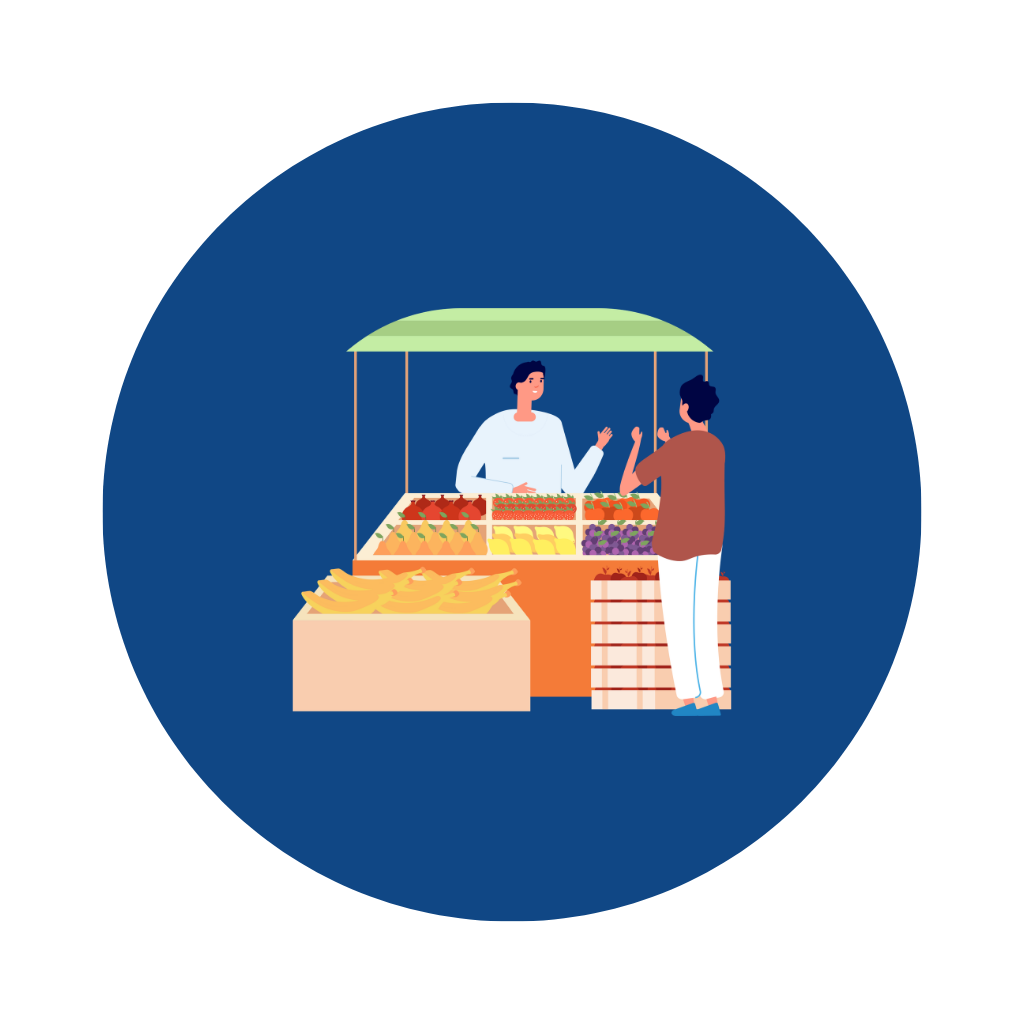

Co-planning with local communities
The project begins with a process of listening and co-creation involving local communities. Through workshops, public meetings and participatory sessions, citizens, producers, associations and local authorities are actively engaged in shaping strategies for the cultural regeneration of rural markets.
This approach ensures that the actions developed within the project respond to the real needs, expectations and potential of each territory.
Artistic residencies
Artists from different European contexts are invited to take part in residencies within the project territories. During these periods, artists engage with local communities, producers and the everyday life of rural markets.
These residencies foster a meaningful exchange between art and local contexts, leading to the development of site-specific works and collaborative creative processes.
Cultural interventions in rural markets
The artistic residencies result in a series of cultural interventions within rural markets, including installations, performances, storytelling activities and participatory experiences.
These actions contribute to transforming traditional markets into Rural Creative Markets — spaces where local production, culture and community life intersect.
Events and market festivals
In each territory, public events and market-based festivals are organised to celebrate the connection between food, local traditions, art and contemporary creativity.
These events provide opportunities for communities to gather, strengthen social bonds and increase the visibility of local markets and productions.
European exchange and collaboration
RE-MARK also promotes transnational exchange among the participating territories. Artists, cultural operators and local stakeholders share practices, experiences and outcomes throughout the project.
The project will culminate in a collective exhibition and dissemination activities aimed at showcasing the results and impacts generated across the four territories.

Co-funded by the European Union. Views and opinions expressed are however those of the author(s) only and do not necessarily reflect those of the European Union or the granting authority. Neither the European Union nor the granting authority can be held responsible for them.